Monday, July 1, 2019
4th of July Pack


Saturday, June 29, 2019
Honey Bee Unit

I am totally obsessed with this bee unit I created for my little guy. I set it all up this afternoon while he was visiting his grandparents. We officially start it on Monday but he has already tried to play with all of it. I love watching his excitement as I pull out the new units. To see more of this unit in action visit my Instagram page.


Available for purchase on my TPT store
Monday, January 7, 2019
DIY Farmhouse Books

I have seen these cute books on Instagram lately and wanted to give it a try. This is a super easy DIY idea. I found three old books that were relatively the same size and I ripped the cover off. I made sure to rip the spine covering off as well. I grabbed some white craft paint and touched up the spines. Then, I didn't have any stamps so I typed out our names on the computer, chose the font I wanted. and printed it. Then I used Hodge Podge and glue to seal the names to the book. I finished it with some twine I had and it turned out great! Easy project and I didn't have to purchase one thing! I would love to hear about some cheap easy projects you have tried.
Wednesday, December 19, 2018
Annual Holiday Baking Party
Every year I host a holiday baking party at my house. Every year it is a little different but this year each family gave $15 and I created the menu and picked up all the supplies. We had so much fun. I wanted everyone to have something to snack on during the party that wasn't sweet so I made a cheese board and it was yummy. After we baked I led a painting competition this was highly fueled by wine might I add. I love making these memories with my family. Here is a little sneak peek at our party.
Saturday, November 24, 2018
Advent Calendar

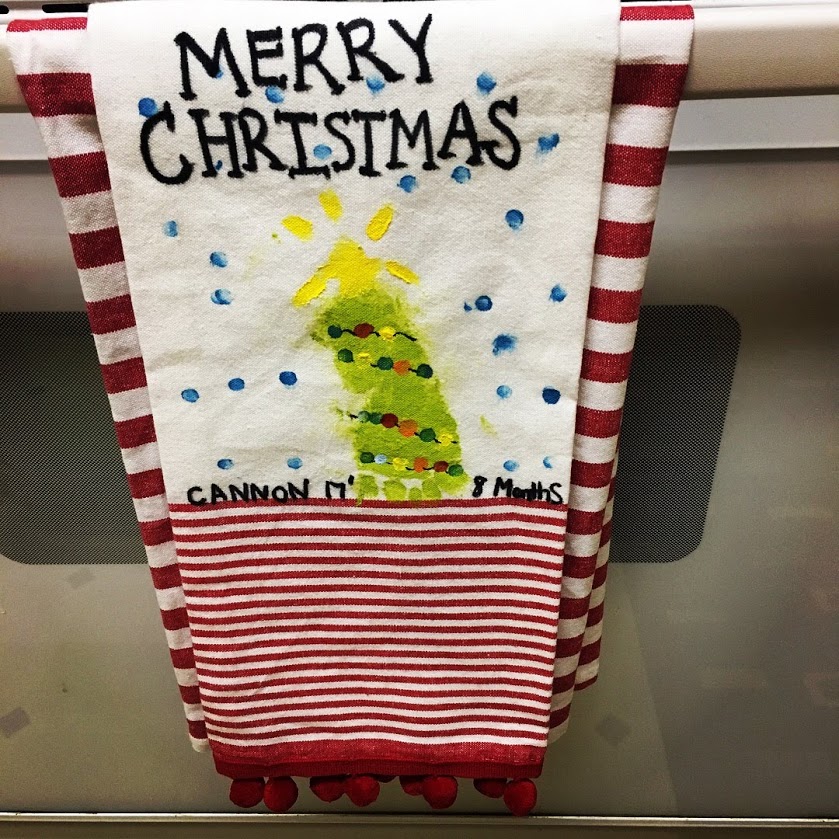
Y'all this advent calendar is my favorite Christmas tradition! It keeps my family focused on the reason for Christmas and keeps us in the holiday spirit every day of December. This picture was from last year and I just love how it turned out.

Every day we read a Bible verse from The Jesus Storybook Bible by Sally Lloyd-Jones and do one activity. I look forward to opening the envelope each day. As Cannon gets older I know he will look forward to these traditions also.
Here are some of the activities from last year:

Visit Santa

Attend the Christmas Parade

Make holiday paintings


Read Holiday books
Make holiday crafts

Bake cookies

Make a gingerbread house

Make ornaments

Reenact the birth of Jesus

Make gifts for others


Have breakfast with Santa

Have a holiday baking party with friends
If you are interested in creating your own calendar here are some of the resources.


Wednesday, October 10, 2018
Eric Carle Unit

One of my favorite units to date was our Eric Carle unit. We had such a great time visiting the Eric Carle museum and learning about colors through sensory exploration. This unit really helped Cannon learn his colors. As a parent, I enjoyed watching him fall in love with the characters from the book and to this day he still loves Brown Bear.
I spent months making a unit for Cannon that I thought he would enjoy and wanted to share it with other moms/teachers.
This unit is available for purchase. Click on the picture to download your copy.

Saturday, August 25, 2018
Chicka Chicka Boom Boom
During our Chicka Chicka Boom Boom unit we studied our letters, numbers and colors. Cannon also worked on some fine motor skills such as threading beads and coloring. I am loving these units from Let's Play School. Next week we start a new unit in a new state. This should be fun (insert sarcasm). On Tuesday we travel to Oregon and then the following week we will head to California. It will be hard to school on the road without our bus but I am going to try my best. Here are some pictures from our unit. If you want to know more about each day head over to the Instagram account.


Subscribe to:
Posts
(Atom)


-
 Its that time again! My teammie and I have teamed up once again to bring you a wonderful giveaway just in time for you to start planning for...
 -
 This week in math class we are learning about missing addends, and the students are super excited! I started my lesson today by reviewing th...
 -
In the spring, I always do a unit on fairy tales and my students really enjoy it. During this time we talk about the elements that make it a...
-
 This week I have had so much fun teaching my guided reading groups. Several of my guided reading groups are reading chapter books and one o...

Looking For Great Novel Guides?